
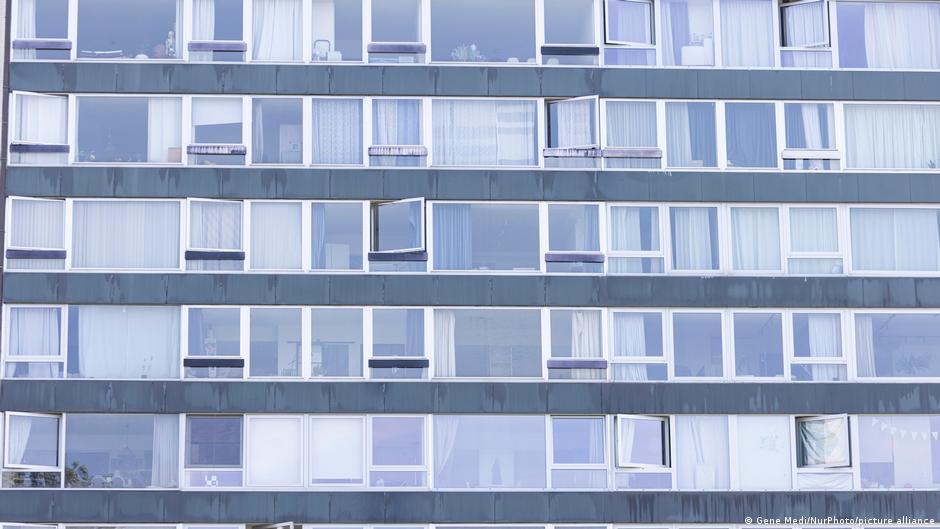
Rethinking Residential Architecture in Germany
Germany faces a pressing need to reconsider and remodel its residential structures. A significant number of existing apartments were built without consideration for the heatwaves that are becoming more frequent due to climate change. As temperatures rise, it's crucial to explore ways to enhance the heat resistance of these buildings.
Beyond Traditional Air Conditioning
While air conditioning might seem like a straightforward solution to combat indoor heat, it is not always the most efficient or sustainable option. The reliance on air conditioning can lead to increased energy consumption, which in turn exacerbates the problem of climate change. Therefore, alternative methods must be considered to make homes more resilient to heat.
Structural Enhancements for Cooling
One of the most effective ways to improve a building's heat resistance is through structural modifications. This includes installing better insulation to keep the heat out, using reflective roofing materials, and adding shading devices like awnings or shutters. These enhancements can significantly reduce the internal temperature of a building and decrease the need for air conditioning.
Natural Ventilation and Green Spaces
Incorporating natural ventilation systems can also play a critical role in cooling homes. Cross-ventilation, enabled by strategically placed windows and vents, allows for air circulation that can lower indoor temperatures. Additionally, integrating green spaces such as rooftop gardens or vertical greenery can help absorb heat and provide cooling through the process of evapotranspiration.
Urban Planning Considerations
Urban planning also plays a vital role in creating heat-resistant environments. The design of neighborhoods and cities should include considerations for heat management, such as increasing tree cover and preserving natural landscapes. Such measures can help reduce the urban heat island effect, where urban areas become significantly warmer than their rural surroundings.
As the climate continues to change, adapting our homes to withstand higher temperatures is not just a matter of comfort, but a necessity. By implementing a combination of structural improvements, natural cooling techniques, and thoughtful urban planning, we can create living spaces that are better equipped to handle the challenges of a warming world.
Source: Original Article
Related Articles
 տեխնոլոգիա
Նոր պատվաստանյութը հույս է տալիս ուղեղի ուռուցքով հիվանդներին
 տեխնոլոգիա
OpenAI-ը թողարկում է GPT-5.6 մոդելները՝ անվտանգության մտահոգություններից հետո
 տեխնոլոգիա
Microsoft-ը կկրճատի հազարավոր աշխատատեղեր, Xbox-ի բաժինը կտուժի
 տեխնոլոգիա