
AfD's Energy Policy in Eastern Germany Raises Economic Concerns
In the eastern German state of Saxony-Anhalt, the Alternative for Germany (AfD) party is advocating for a return to coal and nuclear energy, alongside tighter immigration controls. These policies have sparked warnings from local businesses about potential negative impacts on the economy.
Contradictory Actions in Raguhn-Jeßnitz
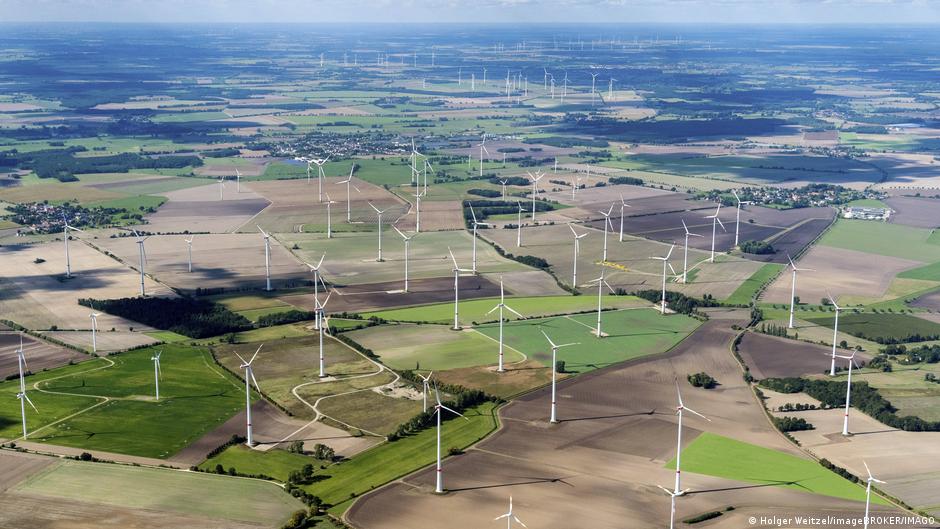
Hannes Loth, the first full-time mayor from the AfD in Germany, is paradoxically promoting renewable energy in Raguhn-Jeßnitz, his municipality. Since becoming mayor in 2023, Loth has been pushing for the installation of wind turbines and a battery storage facility despite his party's platform opposing such measures. Local councilor Tilo Hörtzsch, from the conservative Christian Democratic Union (CDU), supports these initiatives, emphasizing the importance of key technologies for the region.
Concerns Over Potential Policy Shifts
With the AfD gaining popularity ahead of the upcoming state election in September, there are fears of a political shift that could hinder progress in renewable energy. The AfD's election manifesto includes plans to reverse the coal phase-out, reintroduce nuclear power, and impose a moratorium on new wind turbines. Additionally, the party aims to halt the admission of non-EU nationals.
Polling data suggests the AfD is currently leading with approximately 41% support in Saxony-Anhalt, while the CDU's candidate and incumbent premier Sven Schulze stands at about 26%.
Renewable Energy in Saxony-Anhalt
Saxony-Anhalt is a leader in Germany's transition to renewable energy, with 57% of its electricity consumption in 2025 coming from renewable sources, slightly above the national average. However, the state's significant progress in wind and solar energy expansion contrasts with the AfD's growing electoral success in the region.
According to Roland Abold, managing director of infratest dimap, the AfD's support is not primarily driven by energy policies but rather issues like refugees, asylum policy, education, and the economy.
Economic Implications of AfD Policies
Business leaders express concerns that the AfD's policies could impede economic growth. Daniel Hannemann, CEO of battery storage company Tesvolt, highlights the potential economic damage of the AfD's restrictive immigration stance, which could hinder recruitment and international business relations.
Moreover, Hannemann warns that the party's energy proposals, which oppose the expansion of wind power and seek to reverse climate commitments, could directly harm businesses focused on renewable energy.
Challenges Ahead
Right-wing extremism researcher Johannes Kieß argues that the AfD's program is not only impractical but could also have severe consequences for Saxony-Anhalt's economy and energy security. During a state parliament session, Premier Schulze criticized AfD's promises, pointing out that many of their goals, such as withdrawing from the Paris Climate Agreement or reintroducing nuclear power, require broader governmental support than the state alone can provide.
Amid these political dynamics, Mayor Loth continues to advocate for renewable energy projects in his municipality, seeking state approval for new wind turbines before potential policy changes make such initiatives more challenging.
Source: Original Article
Related Articles
 քաղաքականություն
Merz Responds to Trump's Criticism on Defense at Baltic Meeting
 քաղաքականություն
ՆԱՏՕ-ի գագաթնաժողով. Եվրոպական երկրները և Կանադան խոստանում են երկարաժամկետ օգնություն Ուկրաինային
 քաղաքականություն
Թրամփը ներում շնորհեց 11 անձանց, ներառյալ Կլին Աիար ակտի խախտողներին
 քաղաքականություն