
UNESCO's Decision on the Great Barrier Reef
Australia's Great Barrier Reef, the largest coral reef system in the world, has avoided being categorized as 'in danger' by UNESCO. This decision comes as a relief for the Australian government, which has been actively working to protect this iconic marine site.
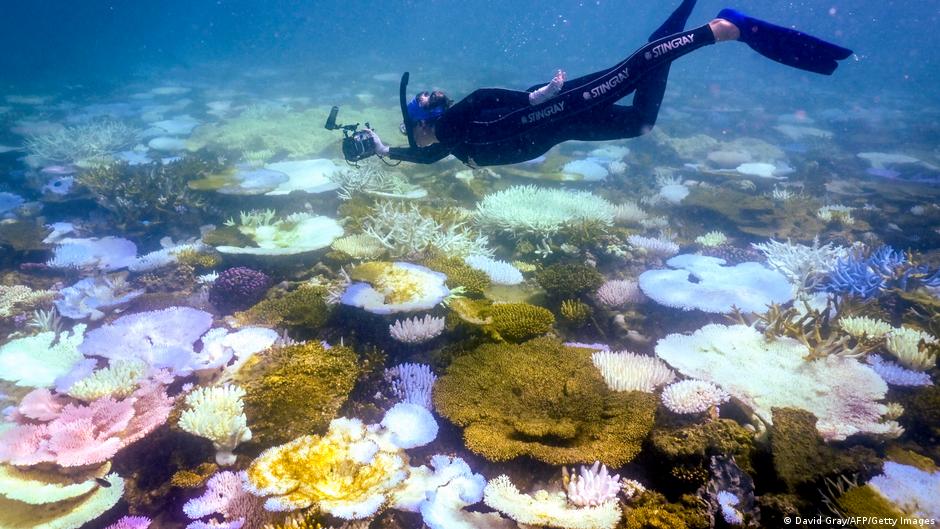
UNESCO's draft report, released in Paris, acknowledged Australia's efforts in addressing key issues impacting the reef, such as climate change, water quality, sustainable fisheries management, and land clearing. However, the report also highlighted concerns about the decline in hard coral cover due to mass bleaching events in 2024 and 2025.
"While the resilience of the reef remains evident, its capacity to tolerate and recover from such events is increasingly compromised," stated the committee.
Economic and Environmental Significance
The Great Barrier Reef is a significant contributor to Australia's economy, drawing over two million tourists annually. It generates more than 9 billion Australian dollars (€5.45 billion, $6.25 billion) and supports approximately 77,000 jobs, according to government estimates.
Assistant Tourism Minister Nita Green expressed satisfaction with UNESCO's decision, emphasizing the recognition of Australia's efforts to protect the reef. "Australia welcomes UNESCO's decision to not list the reef as endangered, and recognize all of the work that's been going into protecting the reef," Green said in a televised statement.
Future Monitoring and Reporting
Australia is required to submit another progress report on the reef's status to UNESCO in 2028. This extended reporting period marks a significant phase in the ongoing efforts to restore and preserve the Great Barrier Reef under the current government.
Australian researchers are also exploring the use of artificial intelligence to assist in coral reef conservation, showcasing innovative approaches to address the challenges posed by climate change and other environmental threats.
Understanding Coral Bleaching
The Great Barrier Reef has been on UNESCO's World Heritage List since 1981, home to 400 types of coral and 1,500 species of fish. It has faced six mass coral bleaching events since 2016. Coral bleaching occurs when the algae that live within corals produce toxins due to warming waters, leading to their expulsion and leaving the corals white and vulnerable to disease and starvation.
Since 2021, UNESCO has been monitoring the reef annually, warning of the potential 'in danger' status. Green acknowledged that while Australia's efforts are recognized, climate change remains a persistent risk to the reef's health.
Source: Original Article
Related Articles
 տեխնոլոգիա
NASA Initiates Mission to Save Deteriorating Telescope from Earth's Atmosphere
 տեխնոլոգիա
Գերմանական արտադրության արհեստական բանականությամբ անօդաչու թռչող սարքերը կիրառվում են Ուկրաինայի ռազմաճակատում
 տեխնոլոգիա
Google-ի մոծակների բանակը․ գիտնականները կոչ են անում գործողությունների
 տեխնոլոգիա