
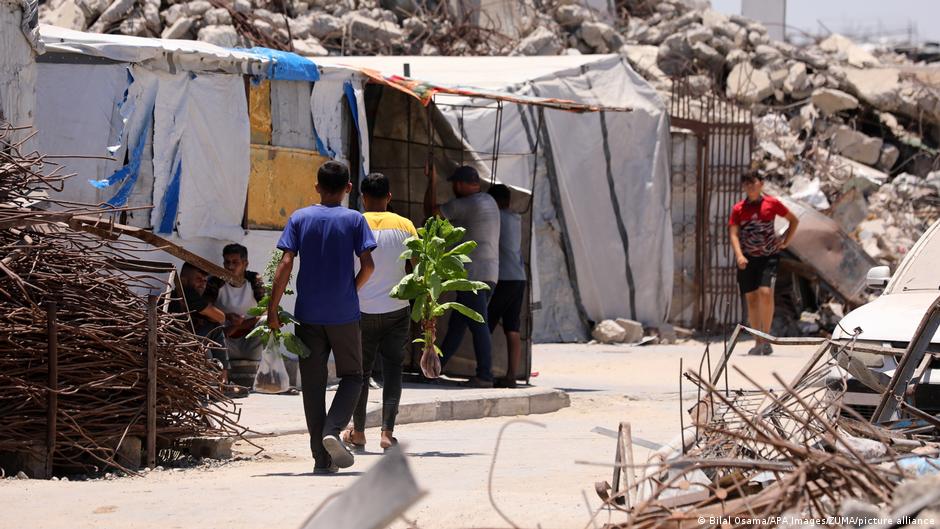
Hamas's Strategic Shift in Gaza
Hamas has announced its decision to dissolve its civil administration in the Gaza Strip, a move that has garnered attention from political observers and analysts worldwide. This decision is seen as a potential catalyst for reviving the peace process in the region, but significant obstacles remain that could hinder any political transition.
Potential Impact on Peace Efforts
The decision by Hamas is perceived as a significant step toward reconciliation efforts between Palestinian factions and could pave the way for renewed negotiations. However, the lack of disarmament by Hamas and the continued presence of Israeli forces in certain areas pose critical challenges to achieving lasting peace.
Understanding the Motivations
The motivation behind Hamas's decision is multifaceted. On one hand, it aims to reduce the administrative burden on the group, allowing it to focus on its military and political objectives. On the other hand, it seeks to improve its standing in the international community by showcasing a willingness to engage in dialogue and cooperation.
Challenges Ahead
Despite the apparent willingness to dissolve its governance in Gaza, Hamas faces several hurdles. The group's refusal to disarm remains a major sticking point in negotiations with both Israel and Palestinian rivals. Additionally, Israel's continued control over border areas and its security concerns add complexity to any potential agreement.
International Response
International reactions to Hamas's decision have been mixed. Some view it as a positive development that could lead to progress in the peace process, while others remain skeptical of Hamas's intentions, emphasizing the need for concrete actions rather than symbolic gestures.
Source: Original Article
Related Articles
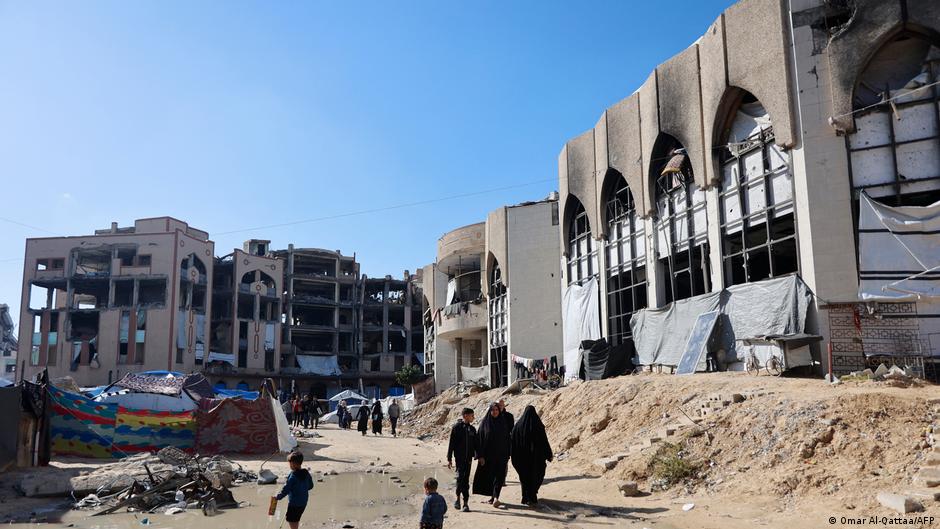 քաղաքականություն
Պաղեստինյան իշխանությունը հայտարարում է նոյեմբերին օրենսդրական ընտրություններ անցկացնելու մասին՝ բախվելով մարտահրավերների
 քաղաքականություն
Ուկրաինան հերքում է կապը Հյուսիսային հոսքի պայթյունների հետ՝ առաջարկելով համատեղ հետաքննություն
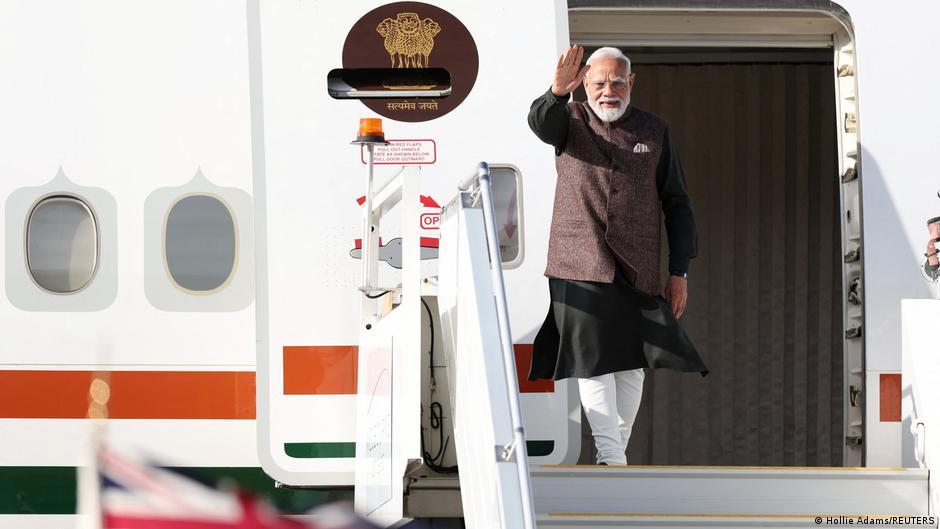 քաղաքականություն
Ներկայացուցիչներ Հնդկաստանի և Նոր Զելանդիայի միջև՝ Մոդիի այցի շրջանակներում
 քաղաքականություն