
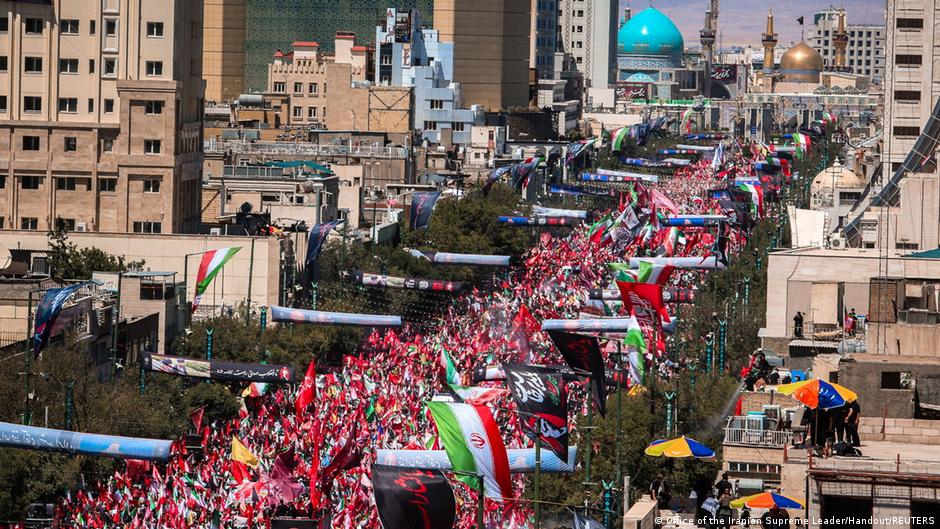
Iran's Former Leader Laid to Rest
Iran has laid to rest its former Supreme Leader, Ayatollah Ali Khamenei, after a week of ceremonial mourning. The burial took place at the Imam Reza shrine in Mashhad on Friday morning, following a series of public memorials across Iran and Iraq.
Background of the Conflict
Ayatollah Ali Khamenei was killed on February 28 during airstrikes carried out by the United States and Israel. The conflict between Iran and the US has seen a recent escalation, with both sides engaging in retaliatory attacks.
Strait of Hormuz Tensions
The Strait of Hormuz, a vital waterway for oil transportation, has witnessed slower traffic amid the ongoing conflict. Reports suggest that the number of oil tankers transiting the strait has decreased, with some vessels reportedly avoiding tracking by switching off their transponders. The US military has rejected claims that Iran controls the passage through the strait.
Implications for the Gulf Region
The renewed conflict poses significant risks to Gulf countries, as Iran has threatened attacks on US military sites in the region. Although Iran has not targeted neighboring governments, the escalation could have severe consequences for Gulf states.
Impact on Global Oil Markets
The International Energy Agency (IEA) has noted a recovery in global oil demand, aided by the resumption of supply through the Strait of Hormuz. Despite the resurgence, global oil output remains below pre-war levels.
Future Leadership Uncertain
The absence of Mojtaba Khamenei, the late leader's son, from public appearances has raised questions about Iran's future leadership. As the country reflects on its loss, uncertainties about the political path forward persist.
International Engagements
Amid the tensions, US President Donald Trump and Israeli Prime Minister Benjamin Netanyahu have discussed coordination efforts in the Gulf. These discussions underscore the broader geopolitical implications of the conflict.
Ongoing Developments
As the situation unfolds, there have been no new reports of overnight strikes. However, the conflict continues to evolve, with both sides engaging in strategic maneuvers.
Source: Original Article
Related Articles
 աշխարհ
Երիտասարդ գերմանացիները բախվում են իրենց ընտանեկան անցյալի բարդություններին
 աշխարհ
Սիրիան վերականգնում է քվեարկության իրավունքները քիմիական զենքի համաշխարհային վերահսկիչ մարմնում
 աշխարհ
Գերմանիայի գնացքներում բռնության աճը. Պատճառներ և լուծումներ
 աշխարհ