The Attempted Coup and Its Aftermath
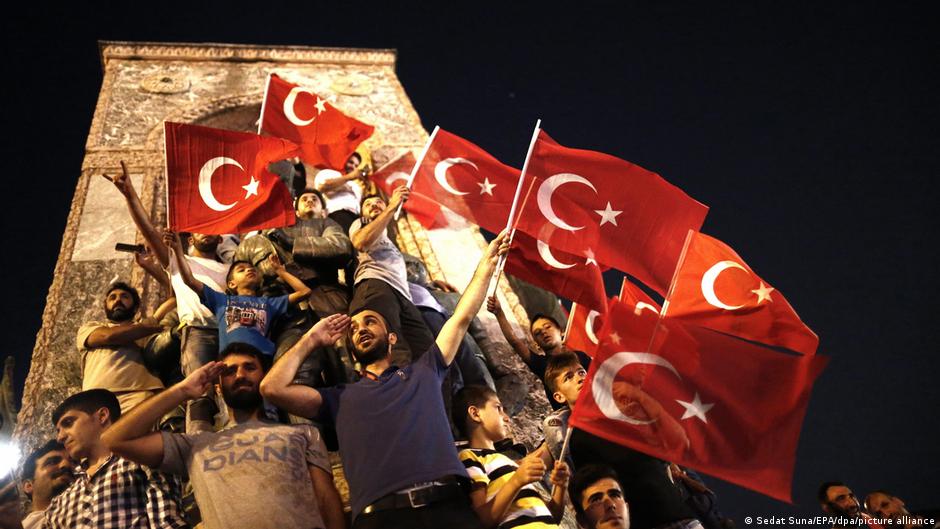
In 2016, a faction within the Turkish military launched an unsuccessful coup to depose President Recep Tayyip Erdogan. This pivotal event has had enduring implications for Turkey's political and social fabric. The coup attempt was characterized by violent clashes and led to numerous arrests and dismissals across various sectors.
Political Repercussions
The coup attempt significantly strengthened Erdogan's grip on power. In its aftermath, the government implemented widespread purges, targeting alleged coup supporters and perceived dissidents. This included the dismissal of thousands of military personnel, civil servants, and educators. The Turkish leadership also tightened control over the media, curbing dissent and criticism.
Societal Changes
Beyond political shifts, the coup attempt spurred changes in Turkish society. The government declared a state of emergency, which lasted for two years, allowing for broader executive powers to maintain order and security. This period saw an increase in nationalistic sentiments and a consolidation of power by Erdogan's party, the Justice and Development Party (AKP).
International Relations
Turkey's foreign relations were also influenced by the coup attempt. The Turkish government accused the cleric Fethullah Gulen, residing in the United States, of orchestrating the coup, leading to strained relations with the U.S. Additionally, Turkey's relationship with the European Union was affected, as concerns over human rights and democratic backsliding emerged.
Long-term Effects
The 2016 coup attempt left a lasting mark on Turkey's governance and civil liberties. The consolidation of power has raised concerns about the erosion of democratic institutions and human rights in the country. These changes continue to influence Turkey's domestic and international policies.
Source: Original Article