
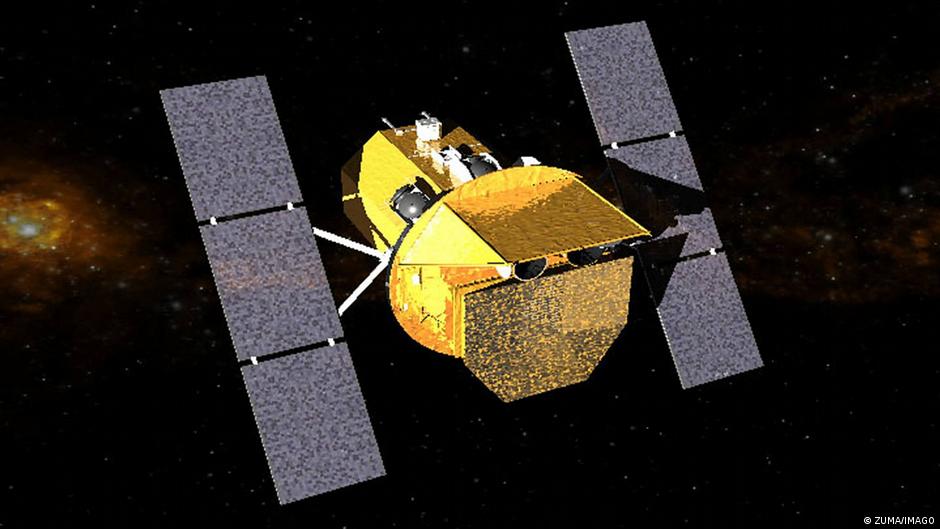
NASA's Efforts to Preserve the Swift Telescope
Nasa has embarked on a mission to save the Swift telescope, which is currently descending towards Earth at an accelerated pace due to recent solar storms. The mission aims to capture and elevate the satellite back into a stable orbit.
Details of the Mission
The mission commenced on Friday with the launch of a spacecraft by Katalyst Space Technologies from the Marshall Islands, situated in the Pacific Ocean. The spacecraft, designed with three arms, aims to intercept the Swift telescope, weighing approximately 1.6 tons and currently orbiting 224 miles above the Earth.
Northrop Grumman, an American defense contractor, facilitated the launch of Katalyst's spacecraft, named Link, which is expected to rendezvous with the Swift satellite within a month.
"This is a high-risk, high-reward mission," stated Katalyst Space CEO Ghonhee Lee. "Our priority is to avoid the risk of Swift burning up in the atmosphere, and our team has diligently worked to achieve that objective," Lee added.
The Link spacecraft was launched using a Pegasus rocket, which itself was deployed from an aircraft.
The Condition of the Swift Telescope
Launched in 2004, the Swift telescope has been instrumental in observing some of the universe's most explosive phenomena such as gamma-ray bursts and supernovae. However, due to the impact of recent solar storms, it is now rapidly descending toward Earth.
To prevent the telescope from entering the Earth's atmosphere and burning up, NASA has contracted Katalyst for $30 million to capture and reposition it. The mission aims to elevate the Swift's orbit by 150 miles, using the Link spacecraft's thrusters to carefully boost its altitude.
The Urgency of the Mission
Nasa has indicated that without intervention, the Swift telescope would descend to an unrecoverable position by autumn, with the potential to enter the Earth's atmosphere and be destroyed by October.
Katalyst managed to expedite the mission's preparation within nine months despite facing delays caused by unfavorable weather conditions and technical challenges.
"This mission includes many firsts for us," remarked Shawn Domagal-Goldman, NASA’s astrophysics division director. "We are grateful to have the opportunity to attempt this rescue mission."
If successful, the mission could allow the Swift telescope to resume operations as early as September, continuing its vital contributions to astronomical research.
Source: Original Article
Related Articles
 տեխնոլոգիա
Australia's Great Barrier Reef Escapes 'Endangered' Status Again
 տեխնոլոգիա
Գերմանական արտադրության արհեստական բանականությամբ անօդաչու թռչող սարքերը կիրառվում են Ուկրաինայի ռազմաճակատում
 տեխնոլոգիա
Google-ի մոծակների բանակը․ գիտնականները կոչ են անում գործողությունների
 տեխնոլոգիա