
US Supreme Court Decision Eases Concerns for Indian Families
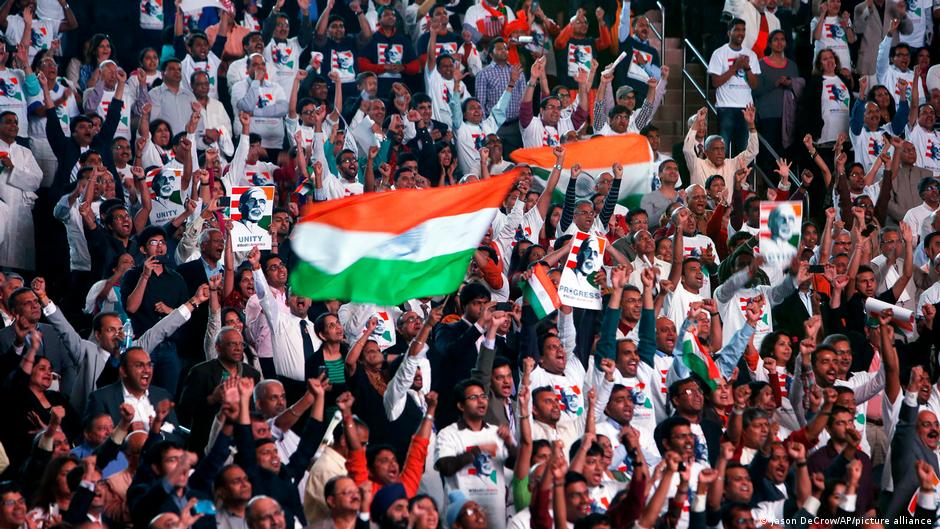
The US Supreme Court's recent decision to uphold birthright citizenship has brought relief to numerous Indian families residing in the United States. Despite this positive development, the political debate over immigration policies continues to be contentious.
On June 30, the Supreme Court upheld the principle that children born on American soil are citizens, regardless of their parents' immigration status. This ruling blocked a previous executive order by President Donald Trump, which aimed to exclude children born to parents in the US illegally or on temporary visas from automatic citizenship.
Impact on Indian Families
Among those affected by this ruling are Rajesh and Neha, an Indian couple living in Seattle. Their daughter, Aanya, was born in the United States, ensuring her citizenship. However, like many Indian professionals, Rajesh and Neha continue to face uncertainties regarding their immigration status as they await green card approvals.
According to Chintan Patel, executive director of Indian American Impact, the ruling is a significant affirmation of belonging for many immigrant families, including Indian and South Asian communities who face long visa backlogs and uncertain timelines.
Challenges in Immigration Process
Indians constitute the second-largest Asian-origin group in the US, as per a Pew Research Center report. They are the primary recipients of H-1B visas yet face extensive waits for employment-based green cards due to per-country caps, which have resulted in a backlog of over a million Indian applicants.
Immigration attorney Rajkrishna S Iyer notes that the ruling underscores the constitutional principle of citizenship by birth, providing certainty for families with children born in the US. Nevertheless, challenges remain, particularly for those waiting to secure permanent residency.
Political Implications
The ruling has reignited a divisive issue in American politics, with some conservatives arguing that birthright citizenship encourages misuse of the immigration system. However, Iyer points out that H-1B visa holders, who legally contribute to the US economy, are generally not the focus of such criticisms.
Immigration lawyers emphasize that while birthright citizenship offers some reassurance, it does not provide an immediate path to permanent residency for parents until their children reach adulthood. This distinction is particularly important for Indian families, who often enter the US legally and contribute significantly to the workforce.
A Broader Context
Karan Thukral, a lawyer based in New Delhi, highlights that Indian professionals are often caught in broader debates about undocumented immigration. The Supreme Court ruling provides some relief but does not resolve the long-standing issue of extended green card waits and life on temporary visas.
Meera Shankar, a former Indian ambassador to the US, views the ruling as a reassurance rather than a resolution. She notes that the current US administration's less welcoming stance towards immigrants may cause skilled Indians to reconsider their aspirations to move to the US.
Source: Original Article
Related Articles
 քաղաքականություն
Պաղեստինյան իշխանությունը հայտարարում է նոյեմբերին օրենսդրական ընտրություններ անցկացնելու մասին՝ բախվելով մարտահրավերների
 քաղաքականություն
Ուկրաինան հերքում է կապը Հյուսիսային հոսքի պայթյունների հետ՝ առաջարկելով համատեղ հետաքննություն
 քաղաքականություն
Ներկայացուցիչներ Հնդկաստանի և Նոր Զելանդիայի միջև՝ Մոդիի այցի շրջանակներում
 քաղաքականություն