
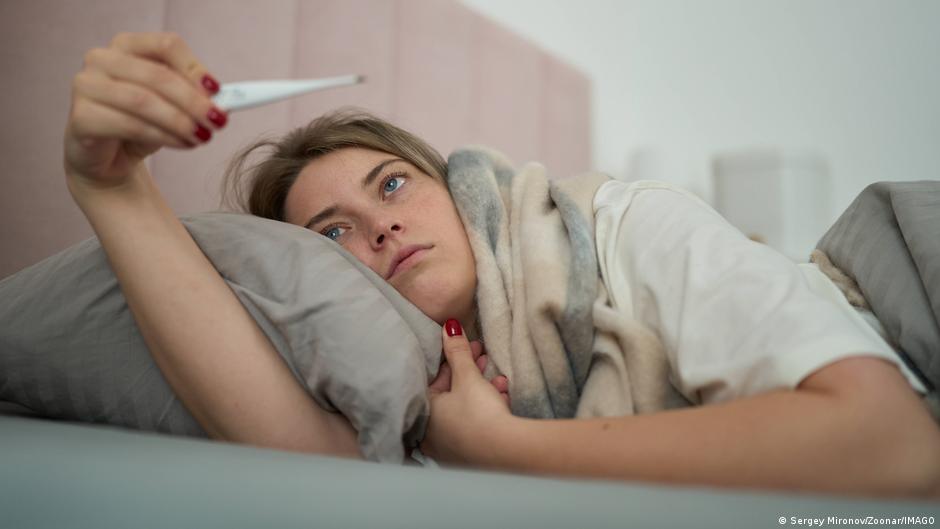
Germany Sees Increase in Sick Leave
Recent data indicates that German workers are absent from work for an average of nearly 20 days per year due to illness. This marks a significant increase in sick leave rates, prompting national discussions on employee health and productivity. The rise has caught the attention of Chancellor Merz, who is examining potential policies to address this trend.
Comparative Analysis with Other European Nations
While Germany's sick leave figures are notable, they are not the highest in Europe. Other countries in the region also report substantial absenteeism, though the rates vary significantly. The disparities in sick leave policies, healthcare systems, and cultural attitudes towards work and health contribute to these differences.
- Scandinavian Countries: Some Scandinavian nations exhibit higher sick leave rates, which can be attributed to their comprehensive welfare systems that offer generous support for workers during health-related absences.
- Southern Europe: In contrast, countries in Southern Europe often report lower rates of sick leave, possibly reflecting economic pressures and differing workplace cultures.
Factors Influencing Sick Leave
Several factors contribute to the variation in sick leave across Europe. Healthcare access, workplace conditions, and national policies on sick pay all play crucial roles. In Germany, the increasing awareness of mental health issues and their impact on worker absenteeism is a growing concern.
Moreover, the COVID-19 pandemic has influenced sick leave patterns, with many workers taking extended leave due to illness or quarantine measures. The ongoing public health challenges continue to shape the landscape of workplace attendance.
Chancellor Merz's Policy Response
In response to the rising sick leave rates, Chancellor Merz is exploring policy options to encourage healthier workplaces and better manage absenteeism. Initiatives may include enhancing mental health support, improving workplace conditions, and incentivizing employers to adopt flexible working arrangements.
As Germany navigates these challenges, the country looks to balance employee well-being with economic productivity, ensuring that workers can recover from illness without undue financial or professional pressure.
Source: Original Article
Related Articles
 տնտեսություն
Ինչու՞ են ԱՄՆ-ի գնացքային ուղևորությունները դանդաղ և անարդյունավետ
 տնտեսություն
ԵՄ-ն սահմանափակումներ է մտցնում չինական ներմուծումների վրա՝ նպատակ ունենալով հավասարակշռել առևտուրը
 տնտեսություն
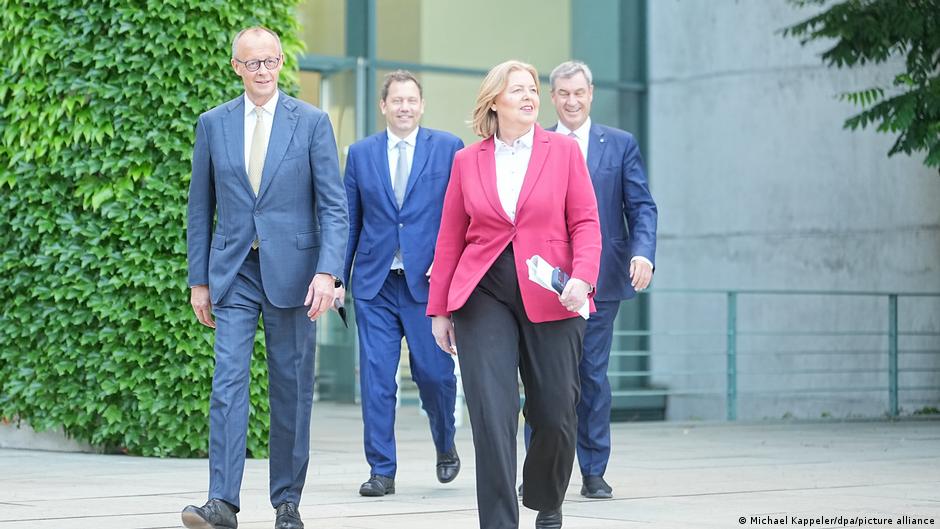
Գերմանիայի կոալիցիան համաձայնեց կենսաթոշակների և հարկային դրույքաչափերի փոփոխությունների շուրջ
 տնտեսություն