
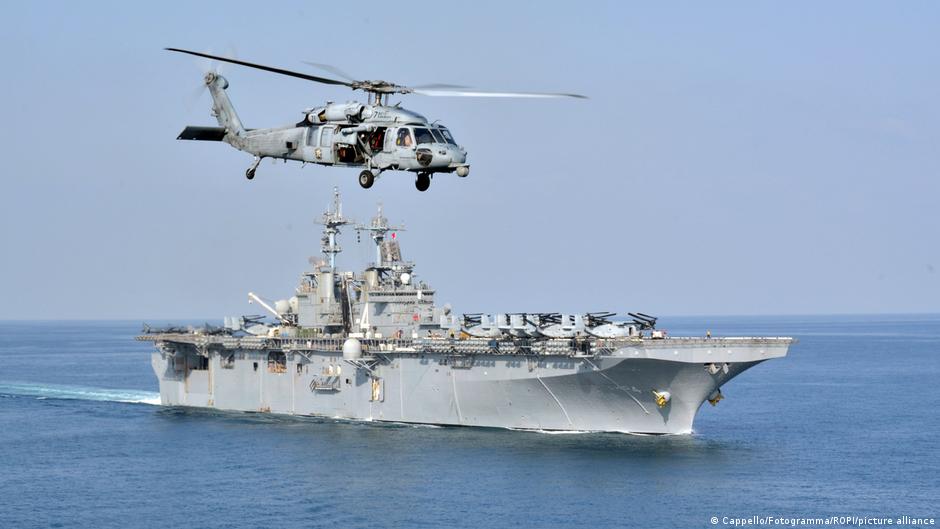
US-Iran Tensions Affecting Gulf Countries
The recent escalation in hostilities between the United States and Iran is having significant repercussions for countries in the Gulf region. The tensions have intensified following American military actions against Iran, which have prompted retaliatory measures from Tehran.
Indirect Consequences for Gulf Nations
Although Iran has not specifically aimed its actions at the governments or populations of neighboring Gulf countries, the region is nevertheless feeling the effects of the conflict. The strategic importance of these nations and their economic ties to both the US and Iran make them particularly vulnerable to any instability.
Economic Impacts
The economic implications for Gulf countries are notable. As tensions rise, there is an increased risk to oil exports and energy infrastructure, which are critical components of their economies. Any disruption in these sectors could have widespread consequences, affecting global oil prices and the economic stability of these countries.
- Oil Exports: The Gulf region is a major hub for oil production and exports. Any insecurity can lead to fluctuations in oil prices, impacting global markets.
- Trade and Investment: Heightened tensions may deter foreign investment and disrupt trade, affecting overall economic growth in the region.
Security Concerns
Beyond economic impacts, there are significant security threats that Gulf countries must address. The possibility of military conflict in the region raises concerns about the safety of populations and critical infrastructure.
Military alliances and defense strategies are being closely scrutinized as countries in the region seek to navigate the complexities of the current geopolitical landscape. This has led to increased military readiness and diplomatic efforts to mitigate potential threats.
Regional Diplomacy
In response to the heightened tensions, Gulf nations are engaging in diplomatic efforts to de-escalate the situation. These efforts aim to prevent further conflict and preserve regional stability. Cooperation among Gulf Cooperation Council (GCC) members is crucial in presenting a unified front in diplomatic discussions.
"It is imperative for Gulf states to strengthen their diplomatic channels and work collectively to address the challenges posed by the US-Iran conflict," commented a regional expert.
Looking Ahead
The continuation of hostilities between the US and Iran presents ongoing challenges for Gulf nations. While the direct impacts may vary, the overarching need for stability and security remains a priority for the region. The coming months will likely see increased diplomatic activity as countries strive to protect their interests and maintain peace.
Source: Original Article
Related Articles
 աշխարհ
Սինները պահպանում է Ուիմբլդոնի տիտղոսը՝ հաղթելով Զվերևին
 աշխարհ
Վենեսուելայում ժամանակավոր կացարաններ են ստեղծվում, քանի որ մահերի թիվը հասնում է գրեթե 4500-ի
 աշխարհ
Միացյալ Նահանգները նոր հարվածներ է հասցրել Հորմուզի նեղուցի մոտ՝ Իրանի դեմ
 աշխարհ