
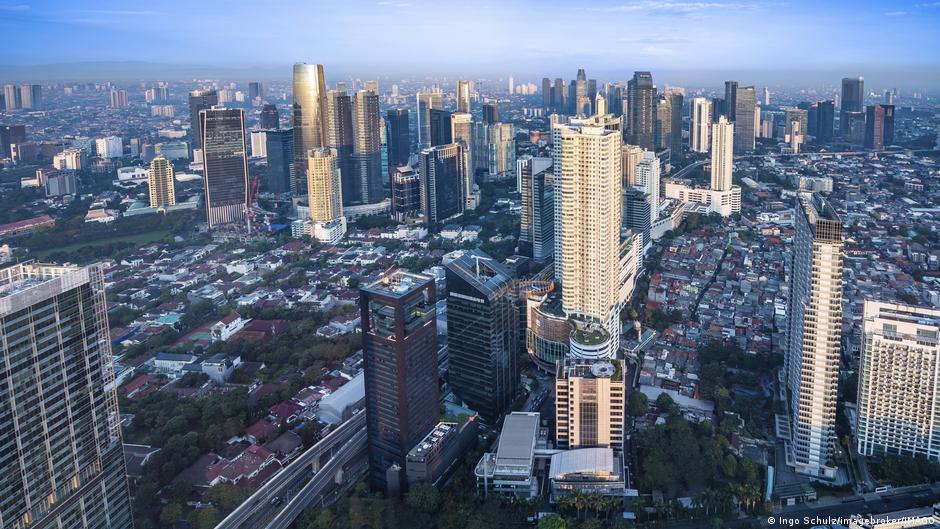
Indonesia's Economic Challenges
Indonesia, known as one of Asia's major economies, is currently facing scrutiny from investors due to President Prabowo Subianto's fiscal strategies. These concerns have raised questions about the country's ability to maintain its status as an emerging market.
Investor Reactions
Investors have expressed unease regarding Subianto's ambitious spending plans. Promising to achieve an 8% growth rate, Subianto's policies have led to uncertainty about the country's economic trajectory, prompting some investors to reconsider their stakes in Indonesia.
Economic Growth Plans
Subianto has outlined a vision for robust economic growth, yet his plans have sparked debate about their feasibility. While some view the plans as necessary for long-term prosperity, others worry about potential fiscal mismanagement and increased debt.
- Spending Initiatives: The president's initiatives include significant investments in infrastructure and social programs, aiming to boost the nation's development.
- Investor Concerns: The scale and scope of these initiatives have led to apprehension over increased public debt and the government's ability to manage these projects effectively.
Maintaining Emerging-Market Status
The uncertainty surrounding Indonesia's economic policies poses a risk to its emerging-market status. To maintain investor confidence, it may be crucial for the government to demonstrate fiscal responsibility and transparency in its financial undertakings.
Future Prospects
Moving forward, Indonesia's economic landscape will likely depend on how the government addresses these investor concerns. A balance between ambitious growth targets and prudent fiscal management could be key to sustaining investor trust and securing the country's position in the global economy.
Source: Original Article
Related Articles
 տնտեսություն
Հարավային Կորեան ձգտում է օգտվել զենքի համաշխարհային պահանջարկից
 տնտեսություն
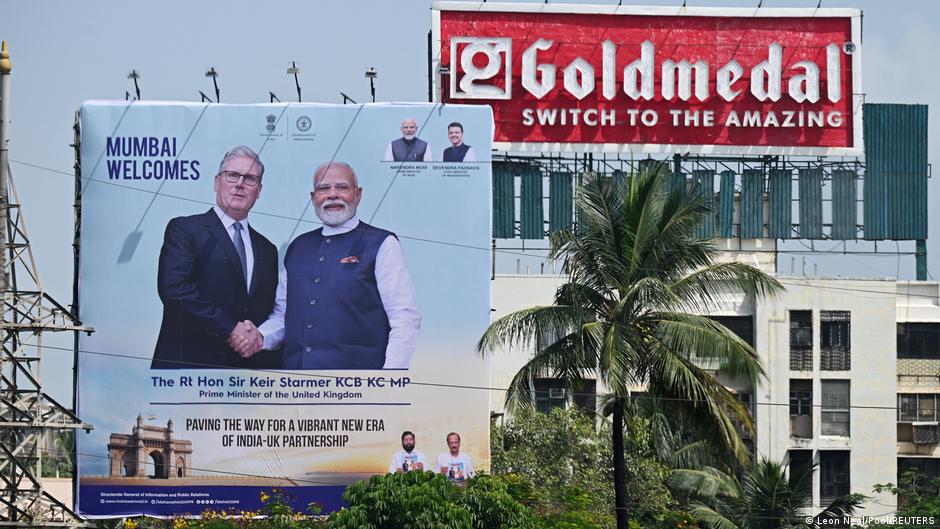
Հնդկաստան-Մեծ Բրիտանիա առևտրային համաձայնագիրը մտնում է ուժի մեջ՝ ֆոնին Ռուսաստանի հետ նավթի առևտրի շուրջ ԱՄՆ-ի մտահոգությունների
 տնտեսություն
Գերմանիայի Ռուրի հովտի քաղաքները ֆինանսական փլուզման եզրին են
 տնտեսություն