
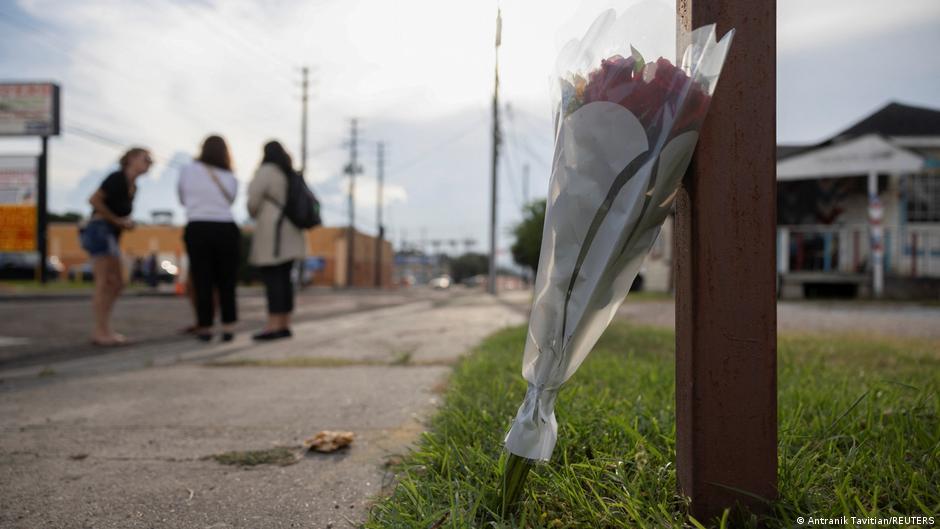
Incident Details Emerge in Fatal Texas Shooting
Authorities reported a fatal shooting involving an Immigration and Customs Enforcement (ICE) agent during a traffic stop in Houston, Texas. The deceased, identified as Lorenzo Salgado Araujo, was a Mexican national who allegedly attempted to evade arrest, leading to the shooting. ICE stated that the agent acted in self-defense as Salgado Araujo tried to ram the officer's vehicle.
Calls for Investigation
The incident has sparked calls for an independent investigation, particularly from Democratic lawmakers and Latin American advocacy groups. Concerns have been raised about discrepancies between officers' accounts and available video evidence in similar incidents. Sylvia Garcia, a congresswoman representing the Houston district, emphasized the need for a thorough and impartial review of all evidence, including footage and communications.
The Department of Homeland Security (DHS) confirmed that Salgado Araujo was in the U.S. illegally, although his son, Ronaldo Salgado, stated that his father was in the process of obtaining a work permit. He expressed his belief that his father did not deserve to be shot.
Community Reaction and ICE Controversy
Local residents, including Juliet Martinez, captured video evidence at the scene. Martinez described the scene with Salgado Araujo appearing injured and handcuffed on the ground. The shooting has led to protests and the creation of a makeshift memorial at the site.
This incident marks at least the eighth shooting involving ICE agents since the beginning of President Donald Trump's second term. Critics argue that the increased ICE activity and rapid expansion of its workforce under Trump's administration have led to insufficient training for new officers, potentially contributing to such incidents.
Communities targeted by ICE operations, including Houston, report a heightened sense of fear regarding arbitrary arrests and violence. Concerns also persist about poor conditions in ICE detention centers, especially those housing children.
Source: Original Article
Related Articles
 աշխարհ
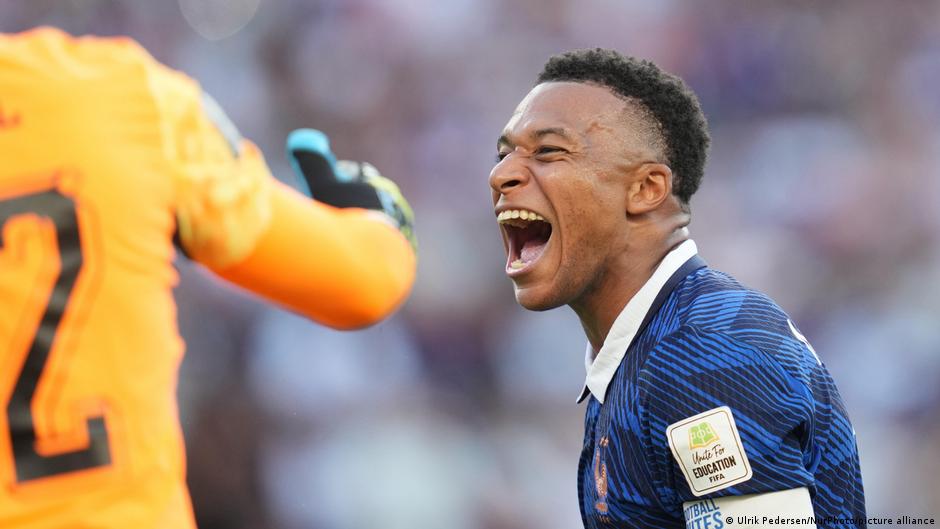
Ֆրանսիայի ֆուտբոլի աստղ Կիլիան Մբապեն պատասխանում է ռասիստական հարձակումներին
 աշխարհ
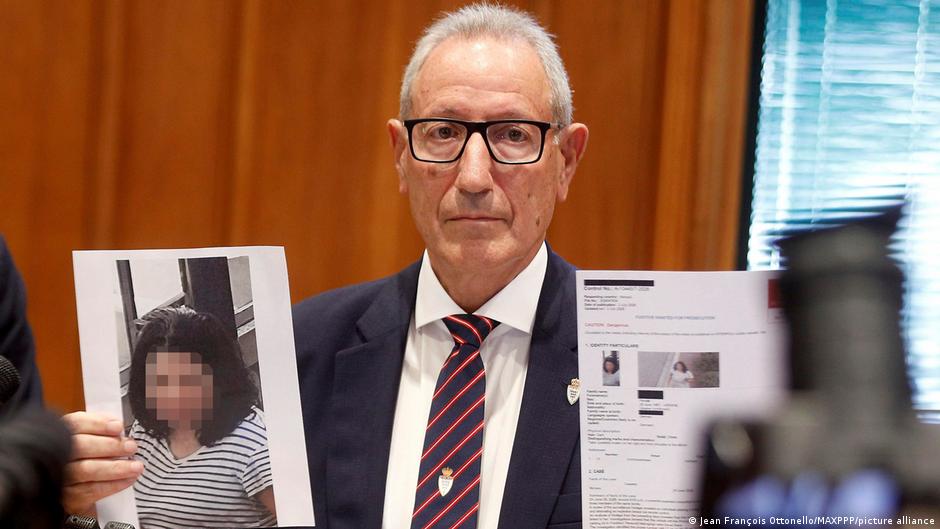
Ուկրաինա․ Մոնակոյի ռումբի հարձակման կասկածյալը հայտնաբերվել է մահացած Կիևի մոտակայքում
 աշխարհ
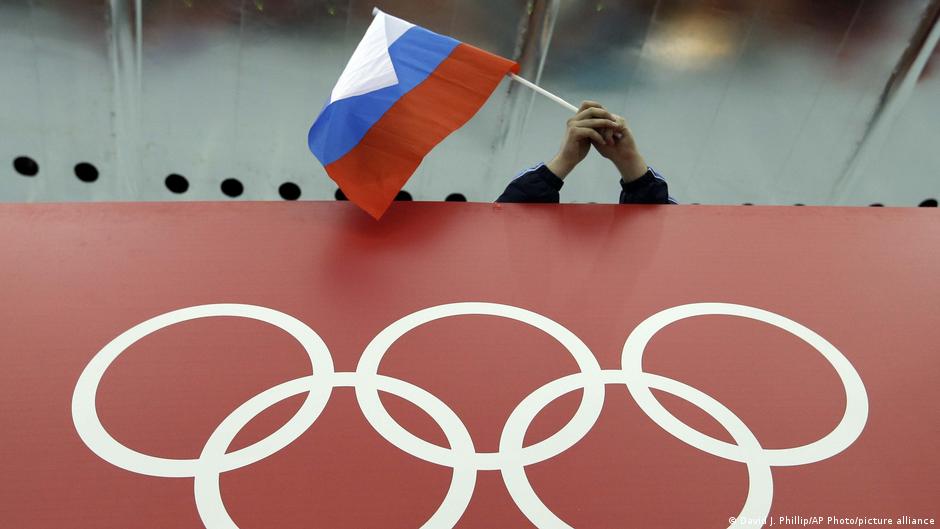
Միջազգային օլիմպիական կոմիտեն ճանապարհ է հարթում Ռուսաստանի վերադարձի համար
 աշխարհ